
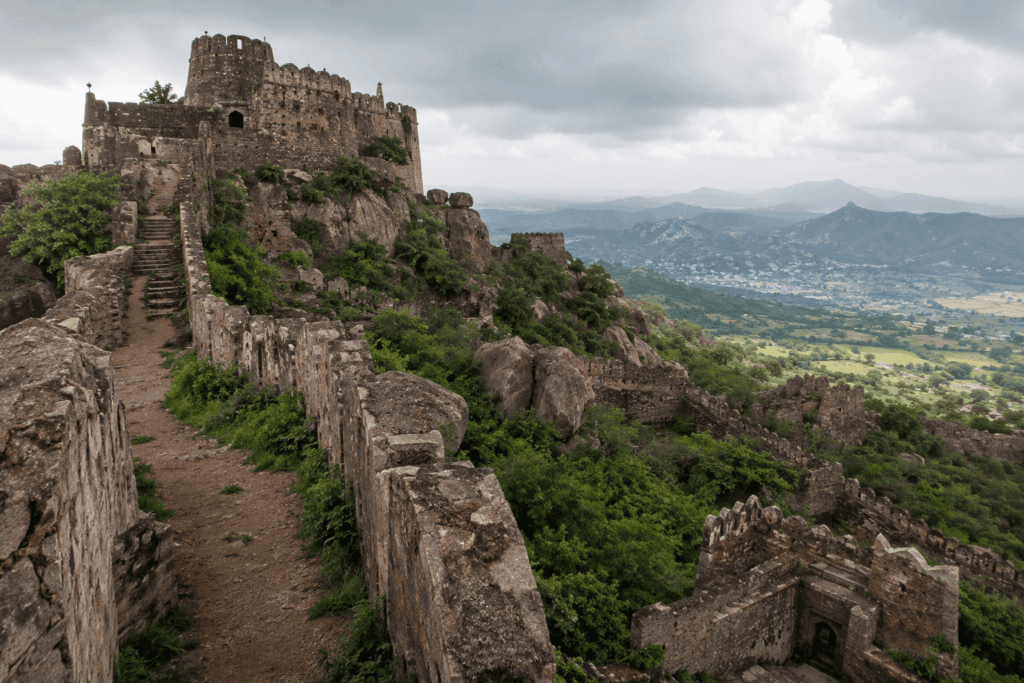
Tamil Nadu is renowned for its magnificent temples, ancient cities, and vibrant cultural traditions. However, beyond its famous landmarks lies another fascinating chapter of history—its hidden forts. While iconic forts such as Gingee Fort, Vellore Fort, and Tiruchirappalli Rock Fort attract thousands of visitors every year, many lesser-known forts remain overlooked despite their remarkable historical, architectural, and military significance.
Scattered across hills, forests, rocky landscapes, and coastal regions, these hidden forts once served as strategic military bases, administrative centres, trade checkpoints, and royal strongholds. Built by powerful dynasties including the Cholas, Pandyas, Pallavas, Vijayanagara rulers, Nayaks, Marathas, Mysore rulers, and later occupied by the British, these forts have silently witnessed centuries of wars, political alliances, and cultural exchange.
Today, many of these monuments stand in peaceful surroundings, offering visitors a unique opportunity to experience history away from crowded tourist destinations. Their weathered walls, ancient gateways, secret passages, watchtowers, and breathtaking viewpoints continue to tell stories of courage, resilience, and engineering excellence.
For history enthusiasts, these forts reveal the military strategies of ancient Tamil kingdoms. For tourists, they provide offbeat travel experiences filled with scenic beauty and adventure. For students, researchers, and competitive exam aspirants, they are valuable sources of knowledge about South India’s political and architectural heritage.
This article explores some of the most fascinating hidden forts of Tamil Nadu, highlighting their history, architecture, and enduring importance.
Why Are These Forts Considered Hidden?
A fort is often described as “hidden” not because it is invisible, but because it receives relatively few visitors compared to famous heritage monuments.
Many hidden forts are located:
On remote hilltops
Inside forested regions
Away from major cities
In small villages
Along forgotten trade routes
Some have survived only as ruins, while others remain surprisingly well preserved despite centuries of neglect.
These lesser-known sites offer a quieter and more authentic glimpse into Tamil Nadu’s rich military history.
Fort Building in Tamil Nadu
Tamil Nadu has a long tradition of constructing forts for defence and administration.
Different dynasties built forts according to the geography of their regions.
Hill forts provided natural protection.
River forts guarded fertile agricultural lands.
Coastal forts defended maritime trade.
Rock forts offered commanding views of surrounding territories.
Builders carefully selected locations that combined natural advantages with strong engineering techniques.
Common Features of Tamil Nadu’s Historic Forts
Although every fort is unique, many share common defensive elements.
Typical features include:
Massive granite walls
Bastions for archers and artillery
Watchtowers
Deep moats
Secret escape routes
Strong gateways
Water storage tanks
Temples within the fort
Military barracks
Granaries
These structures allowed kingdoms to withstand prolonged sieges while protecting both soldiers and civilians.
Sankagiri Fort
Located in Salem district, Sankagiri Fort is one of Tamil Nadu’s most impressive yet underrated hill forts.
Constructed across multiple levels of a rocky hill, the fort offers panoramic views of the surrounding countryside.
Originally strengthened during the Vijayanagara period, it later came under the control of the Madurai Nayaks, Hyder Ali, Tipu Sultan, and eventually the British.
The fort includes:
Multiple defensive gateways
Bastions
Granaries
Water reservoirs
Secret pathways
Administrative buildings
Its strategic position enabled rulers to monitor trade routes connecting western Tamil Nadu with neighbouring regions.
Despite its historical importance, Sankagiri Fort remains relatively uncrowded, making it ideal for heritage travellers.
Namakkal Fort
Rising dramatically above Namakkal town, Namakkal Fort is another remarkable yet often overlooked monument.
Built atop a massive rock formation, the fort combines natural defences with carefully planned military architecture.
Important features include:
Thick stone walls
Watchtowers
Underground passages
Water storage systems
Temples
Open parade grounds
The fort was controlled by several rulers before eventually coming under British administration.
Its elevated location provides spectacular views of the surrounding plains while illustrating how geography influenced ancient military planning.
Krishnagiri Fort
Krishnagiri Fort occupies an important place in the military history of northern Tamil Nadu.
Situated on a rocky hill, the fort served as a defensive outpost controlling movement between Tamil Nadu and Karnataka.
The fort witnessed several conflicts involving:
Vijayanagara rulers
Mysore Kingdom
Hyder Ali
Tipu Sultan
British East India Company
Today, visitors can still observe:
Fort walls
Bastions
Stone stairways
Defensive gates
Water reservoirs
The hill climb rewards visitors with excellent panoramic views and a deeper appreciation of South India’s military heritage.
Hosur Fort
Although modern development surrounds much of Hosur Fort, it remains historically significant.
The fort played an important role because of Hosur’s location along important trade and military routes connecting Mysore with Tamil Nadu.
Successive rulers expanded and modified the fort according to changing military requirements.
Even today, portions of the old fort remind visitors of Hosur’s strategic importance during the medieval and colonial periods.
Dindigul Fort
While Dindigul Fort is becoming increasingly popular among tourists, it is still less crowded than many famous forts in Tamil Nadu.
Built on a rocky hill approximately 280 metres above sea level, the fort commands extensive views of the surrounding landscape.
It flourished under the Madurai Nayaks before being strengthened by Hyder Ali and Tipu Sultan.
Notable features include:
Massive stone walls
Cannon platforms
Rainwater harvesting systems
Underground chambers
Armouries
Temples
Its advanced engineering demonstrates the remarkable military planning of South Indian rulers.
Alamparai Fort
Located along the East Coast Road near Chennai, Alamparai Fort once served as an important coastal trading centre.
Built during the Mughal period and later occupied by the French and the British, the fort overlooks the Bay of Bengal.
Although much of the structure now lies in ruins due to natural disasters and erosion, its scenic location continues to attract photographers and history lovers.
Visitors can observe:
Ancient walls
Gateway remains
Watchtowers
Beach surroundings
Estuary views
Its peaceful atmosphere makes it one of Tamil Nadu’s hidden coastal treasures.
Why These Forts Matter
Hidden forts preserve aspects of history that larger monuments sometimes overshadow.
They reveal:
Regional political struggles
Military engineering
Trade networks
Cultural exchanges
Water management systems
Architectural innovations
Many forts also contain inscriptions, temples, and archaeological remains that help historians reconstruct South India’s past.
Challenges Facing Hidden Forts
Despite their historical value, many lesser-known forts face significant challenges.
Common problems include:
Natural weathering
Vegetation growth
Lack of maintenance
Encroachment
Limited tourism infrastructure
Vandalism
Conservation efforts by archaeological authorities and local communities remain essential for preserving these heritage sites for future generations.
Why History Enthusiasts Should Visit
Unlike crowded tourist attractions, hidden forts offer a peaceful environment for exploration.
Visitors can enjoy:
Scenic trekking routes
Photography opportunities
Architectural study
Historical learning
Nature walks
Panoramic viewpoints
Each fort tells a unique story about the rulers who built, defended, and inhabited these remarkable structures.