
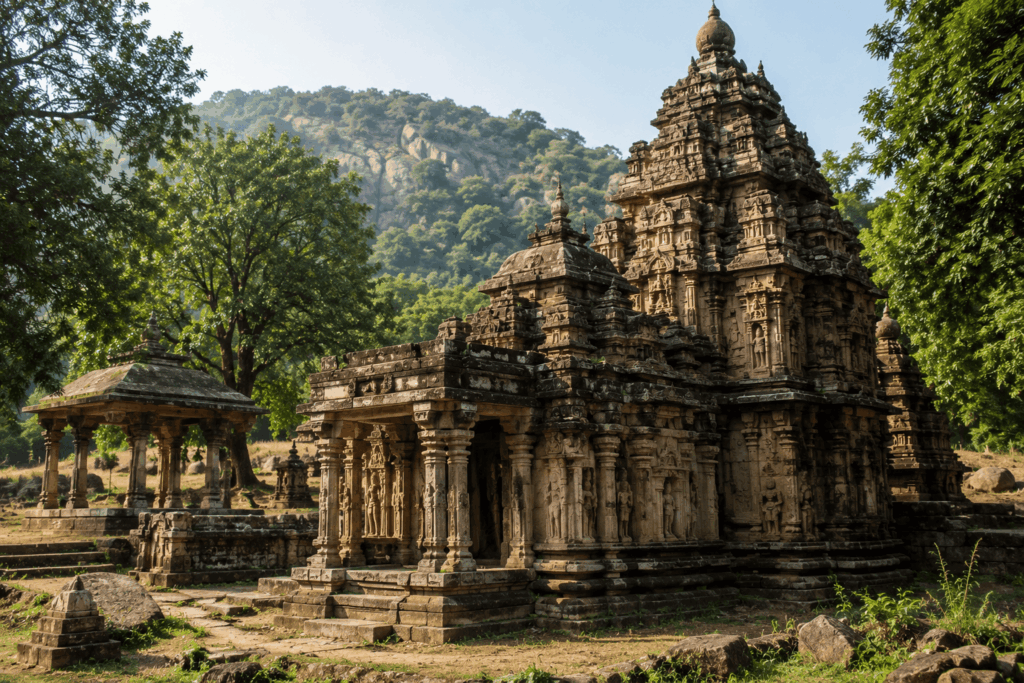
Tamil Nadu is renowned as the “Land of Temples,”home to some of India’s most magnificent architectural masterpieces, including the Brihadisvara Temple in Thanjavur, Meenakshi Amman Temple in Madurai, Shore Temple in Mahabalipuram, and Ranganathaswamy Temple in Srirangam. Every year, millions of pilgrims and tourists visit these iconic monuments, admiring their towering gopurams, intricate sculptures, and centuries-old traditions.
Yet beyond these famous landmarks lies another fascinating world—one of forgotten temples tucked away in remote villages, dense forests, hilltops, riverbanks, and ancient settlements. Many of these temples are over a thousand years old and preserve remarkable examples of Pallava, Chola, Pandya, Vijayanagara, and Nayak architecture. Though less visited, they remain invaluable repositories of history, art, spirituality, and local culture.
For history enthusiasts, travelers seeking offbeat destinations, students preparing for competitive examinations, and researchers exploring South Indian heritage, these forgotten temples offer an extraordinary opportunity to connect with Tamil Nadu’s rich past.
This article explores the significance of these lesser-known temples, highlights remarkable examples across Tamil Nadu, and explains why preserving them is essential for future generations.
Why Are Some Temples Forgotten?
Not every temple built by ancient dynasties remained a major pilgrimage center. Over centuries, changing trade routes, shifting political powers, natural disasters, and urbanization caused many temples to fade from public attention.
Some temples are located in isolated villages with limited access, while others were overshadowed by larger temple complexes that became regional centers of worship. Despite their reduced visibility, many continue to function as active places of worship and preserve invaluable historical records through sculptures and inscriptions.
Historical Importance of Forgotten Temples
Forgotten temples are far more than abandoned monuments. They provide direct evidence of Tamil Nadu’s political, religious, and social history.
These temples reveal:
The evolution of South Indian temple architecture.
The artistic achievements of ancient sculptors.
Royal patronage by the Pallavas, Cholas, Pandyas, and Vijayanagara rulers.
Temple administration through stone inscriptions.
Local customs, festivals, and traditions.
Ancient irrigation, taxation, and land donation systems.
For archaeologists and historians, these monuments serve as primary sources that complement literary records.
Forgotten Temples Worth Exploring
1. Avudaiyar Koil (Pudukkottai District)
Dedicated to Lord Shiva as Atmanathar, Avudaiyar Koil stands apart from most Shiva temples because it does not feature a traditional Shiva Linga. Instead, it emphasizes the philosophical concept of the formless divine.
The temple is celebrated for:
Intricate stone carvings
Remarkable stone chains carved from a single block
Detailed sculptures of dancers and musicians
Unique spiritual traditions
Its artistic excellence makes it one of Tamil Nadu’s hidden architectural treasures.
2. Kodumbalur Moovar Koil
Constructed during the early Chola period, Moovar Koil is a masterpiece of medieval stone architecture. Although only part of the original temple complex survives, its elegant vimanas and finely carved sculptures demonstrate the transition from Pallava to Chola architectural styles.
Highlights include:
Delicate stone carvings
Symmetrical design
Early Chola architectural features
Historic inscriptions
3. Narthamalai Temples
Located amidst rocky hills, the Narthamalai temple complex represents one of the earliest surviving structural temples in Tamil Nadu.
Originally developed by the Mutharaiyars and later expanded by the Cholas, these temples showcase:
Early granite construction
Beautiful sculptures
Hilltop setting
Historical inscriptions
The peaceful surroundings enhance the site’s spiritual atmosphere.
4. Thirumayam Cave Temple
Carved into a massive rock formation, this temple houses both Shiva and Vishnu shrines.
Visitors are impressed by:
Monumental sculptures
Rock-cut sanctums
Ancient inscriptions
Natural cave architecture
It represents an important stage in South India’s architectural evolution.
5. Tiruppudaimarudur Temple
Situated along the Tamiraparani River, this temple combines architectural elements from multiple dynasties.
It is known for:
Magnificent murals
Stone sculptures
Temple inscriptions
Rich religious traditions
Despite its historical significance, it remains relatively less crowded than many famous temples.
6. Kutralanathar Temple (Lesser-Known Historical Features)
While the waterfalls of Courtallam attract thousands of visitors, the ancient Kutralanathar Temple often receives less attention.
The temple features:
Chola and Pandya inscriptions
Traditional Dravidian architecture
Sacred association with the Western Ghats
Rich literary references
Architectural Significance
Forgotten temples preserve architectural styles that evolved over centuries.
Rock-Cut Architecture
Some temples were carved directly into natural rock formations, reflecting early Pallava innovations.
Features include:
Pillared halls
Simple sanctums
Sculpted walls
Cave shrines
Structural Stone Temples
Later dynasties perfected structural temple construction using granite and sandstone blocks.
Characteristics include:
Pyramid-shaped vimanas
Ornate mandapas
Sculptured pillars
Decorative niches
Circumambulatory paths
Beautiful Sculptures
One of the greatest attractions of forgotten temples is their remarkable sculpture.
Temple walls portray:
Lord Shiva
Lord Vishnu
Goddess Durga
Murugan
Ganesha
Nandi
Celestial dancers
Mythological stories
Royal processions
These sculptures reveal exceptional artistic skill and religious devotion.
Ancient Temple Inscriptions
Many forgotten temples preserve inscriptions carved into stone walls and pillars.
These inscriptions record:
Royal grants
Land donations
Temple finances
Agricultural taxation
Village administration
Construction details
Religious festivals
Social customs
Historians rely on these records to reconstruct the political and economic history of medieval Tamil Nadu.
Temples as Cultural Centers
Ancient temples served many purposes beyond worship.
They functioned as:
Schools
Libraries
Music and dance venues
Community meeting halls
Centers of charity
Administrative offices
Forgotten temples often preserve evidence of these broader social roles.
Legends and Local Beliefs
Nearly every ancient temple is associated with a unique legend.
Some are believed to have been visited by Tamil saints, while others are linked to episodes from the Ramayana or Mahabharata. Local folklore continues to keep these stories alive, adding cultural richness to the monuments.
Challenges Facing Forgotten Temples
Despite their importance, many lesser-known temples face significant challenges:
Weathering and erosion
Vegetation growth
Lack of maintenance
Encroachments
Theft of sculptures
Limited tourism
Insufficient public awareness
Conservation requires cooperation between government agencies, archaeologists, local communities, and responsible travelers.
Responsible Heritage Tourism
Visitors can help preserve these temples by following simple practices:
Respect temple customs and traditions.
Avoid touching ancient sculptures.
Do not litter within temple premises.
Never carve names on monuments.
Support local guides and heritage initiatives.
Follow photography guidelines where applicable.
Responsible tourism ensures these monuments remain protected for future generations.
Importance for Students and Competitive Exams
Forgotten temples frequently appear in UPSC, TNPSC, SSC, Railways, and university examinations.
Important points to remember:
Tamil Nadu has one of India’s richest temple heritages.
Pallavas pioneered rock-cut and structural temple architecture.
Cholas expanded temple construction on a grand scale.
Temple inscriptions are key sources of medieval history.
Many lesser-known temples preserve rare examples of early Dravidian architecture.
Travel Tips
If you plan to explore forgotten temples:
Visit between October and February for pleasant weather.
Wear comfortable clothing and footwear.
Carry water, especially in remote areas.
Hire knowledgeable local guides for historical context.
Respect temple timings and ongoing rituals.
Combine nearby heritage sites to make the most of your journey.
Lesser-Known Facts
Some forgotten temples are over 1,300 years old and continue to host annual festivals.
Ancient builders often aligned temple sanctums with the rising sun during specific times of the year.
Stone inscriptions in these temples continue to provide new insights into medieval administration and society.
Several temples preserve original sculptures that have survived centuries with minimal restoration.
Ongoing archaeological surveys occasionally uncover forgotten shrines hidden beneath vegetation or near ancient settlements.
Why These Temples Matter Today
Forgotten temples remind us that history is not confined to famous monuments alone. They represent the creativity, faith, and engineering brilliance of generations who shaped Tamil Nadu’s cultural identity.
Promoting awarenes s of these sites encourages heritage conservation, supports local communities through sustainable tourism, and inspires younger generations to appreciate India’s rich architectural and historical legacy.