
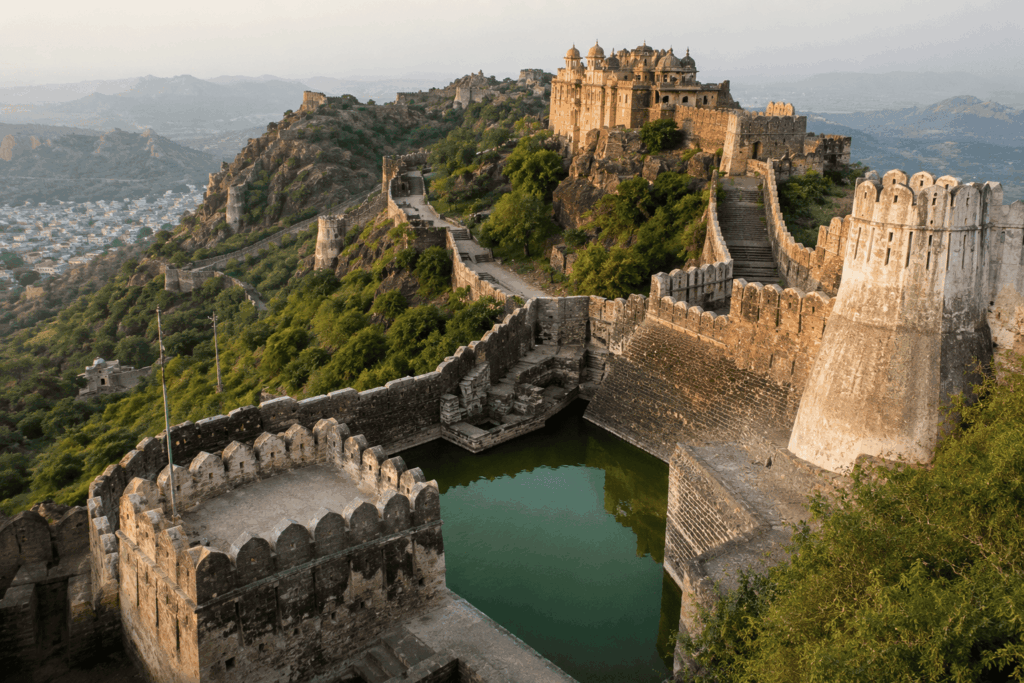
Long before the invention of modern weapons, surveillance systems, and advanced military technology, ancient civilizations developed remarkable defence systems to safeguard their kingdoms, cities, and people. Across the world, rulers understood that a strong defence was the foundation of a stable and prosperous kingdom. In India, especially in Tamil Nadu, magnificent forts, towering walls, deep moats, hidden passages, watchtowers, and natural barriers stand as lasting evidence of the engineering brilliance and strategic thinking of our ancestors.
Ancient defence systems were much more than stone walls or military camps. They represented a combination of architecture, geography, intelligence gathering, diplomacy, logistics, and battlefield tactics. Every kingdom carefully planned its defence based on local terrain, available resources, and the nature of potential enemies. Hills became natural fortresses, rivers acted as protective barriers, forests concealed armies, while coastal settlements relied on naval strength to secure maritime trade.
From the mighty Cholas and Pandyas in South India to the Mauryas and Guptas in the north, every dynasty invested heavily in defensive infrastructure. Tamil Nadu alone is home to several historic forts that showcase the evolution of military architecture over centuries. Many of these structures continue to fascinate historians, archaeologists, tourists, and competitive exam aspirants.
Understanding ancient defence systems not only reveals how kingdoms survived invasions but also highlights the scientific knowledge, engineering skills, and strategic planning that flourished in ancient India.
What Are Ancient Defence Systems?
Ancient defence systems refer to the methods, structures, technologies, and military strategies used by kingdoms and civilizations to protect their territories from external attacks and internal threats.
These systems included both physical and strategic measures, such as:
Forts and fortified cities
Massive defensive walls
Deep moats
Watchtowers
Secret escape routes
Strong gateways
Natural barriers like rivers and hills
Military camps
Intelligence networks
Naval defence
Signal communication systems
Together, these elements formed a comprehensive security network that protected rulers, citizens, trade routes, and important cultural centres.
Why Defence Was Essential in Ancient Times
Ancient kingdoms constantly faced challenges from rival rulers, invading armies, pirates, and rebellious groups. Without effective defence, even prosperous kingdoms could quickly lose their wealth and independence.
Strong defence systems helped kingdoms:
Protect their capital cities
Secure agricultural lands
Safeguard trade routes
Defend religious centres
Prevent surprise attacks
Maintain political stability
Demonstrate military strength
A well-fortified kingdom often discouraged enemies from launching attacks, reducing the likelihood of prolonged wars.
Evolution of Ancient Defence Systems
The earliest human settlements relied on simple natural protection. As civilizations expanded, defensive techniques became increasingly sophisticated.
Natural Protection
Early communities chose locations that naturally offered security, such as:
Hills
Dense forests
Riverbanks
Rocky outcrops
Islands
These landscapes made it difficult for enemies to approach unnoticed.
Artificial Fortifications
As kingdoms grew larger, rulers constructed permanent defensive structures including:
Stone walls
Earthen embankments
Brick fortifications
Wooden palisades
Over time, these evolved into massive forts capable of withstanding long sieges.
Ancient Defence Systems in India
India’s long history of powerful kingdoms encouraged continuous innovation in military architecture.
Ancient Indian rulers combined engineering knowledge with geographical advantages to create highly effective defensive systems.
Important features included:
Fortified Capitals
Major cities were enclosed by strong walls with guarded entrances.
Examples include:
Pataliputra
Madurai
Kanchipuram
Ujjain
Multi-layered Defence
Many forts used several defensive layers:
Outer walls
Inner walls
Moats
Bastions
Elevated watchtowers
This forced attackers to overcome multiple obstacles before reaching the main palace.
Types of Ancient Forts
Ancient Indian texts describe several categories of forts based on geography.
Hill Forts
Built atop hills or rocky mountains, these forts offered natural protection and wide visibility.
Advantages:
Difficult to climb
Better observation
Strong defensive position
Limited access points
Examples include Gingee Fort in Tamil Nadu and many forts in Rajasthan.
Water Forts
Surrounded by rivers, lakes, or the sea, water forts used natural barriers to prevent enemy advances.
Examples include coastal forts and island fortifications.
Forest Forts
Dense forests concealed military camps and restricted enemy movement.
Such forts relied heavily on local knowledge and guerrilla tactics.
Desert Forts
In arid regions, harsh climatic conditions became an additional line of defence.
Limited water availability made long invasions difficult.
Defensive Walls
Massive stone walls formed the backbone of ancient military architecture.
These walls were designed to:
Stop enemy advances
Resist battering attacks
Support soldiers during battles
Provide elevated firing positions
Many walls measured several metres in thickness, allowing defenders to move freely while monitoring enemy activity.
Builders often used locally available granite, sandstone, or brick depending on regional geology.
Moats: The First Line of Defence
One of the most effective ancient defence features was the moat.
A moat is a deep ditch surrounding a fort or city wall.
Moats served several purposes:
Prevented direct attacks
Restricted movement of elephants
Slowed enemy soldiers
Protected foundations of walls
Created additional obstacles
Some moats were filled with water from nearby rivers, while others remained dry but deep enough to trap attackers.
Strong Gateways
The entrance to any fort represented its most vulnerable point.
Ancient engineers therefore designed gateways with exceptional care.
Important features included:
Massive wooden doors
Iron spikes to stop war elephants
Double gates
Narrow entry passages
Guard rooms
Elevated towers
Enemies who breached the outer gate often encountered additional gates inside the fort.
Watchtowers
Watchtowers allowed guards to observe approaching armies from long distances.
Their responsibilities included:
Monitoring borders
Signalling danger
Watching trade routes
Communicating with nearby forts
Many towers offered panoramic views of surrounding landscapes, enabling early detection of enemy movement.
Secret Escape Routes
Several ancient forts contained hidden tunnels and escape passages.
These served important functions during emergencies:
Safe evacuation of rulers
Secret movement of troops
Supply transportation
Surprise attacks on besieging armies
Although many such passages remain closed today, archaeological evidence confirms their existence in several historic forts.
Natural Barriers as Defence
Ancient military planners intelligently used geography.
Natural features included:
Rivers
Mountains
Dense forests
Rocky cliffs
Marshlands
Coastal waters
Rather than fighting against nature, rulers incorporated these landscapes into their defensive planning.
For example, the rocky hill of Tiruchirappalli Rock Fort provided natural protection, while coastal forts used the sea as a defensive advantage.
Communication Systems
Ancient kingdoms developed effective methods for transmitting military information.
These included:
Drum signals
Beacon fires
Conch shells
Messenger riders
Flag signals
Rapid communication enabled armies to prepare for attacks and coordinate defensive operations across large territories.
Importance of Ancient Defence Systems Today
Although modern warfare has changed dramatically, ancient defence systems continue to inspire engineers, historians, and military scholars.
These monuments demonstra
Excellent urban planning
Effective resource management
Strategic military thinking
Adaptation to local geography
Many ancient forts are now UNESCO World Heritage Sites or protected archaeological monuments, attracting visitors from around the world.